Generations, temperament, size, legality, and care. Everything to know before a Savannah comes home.
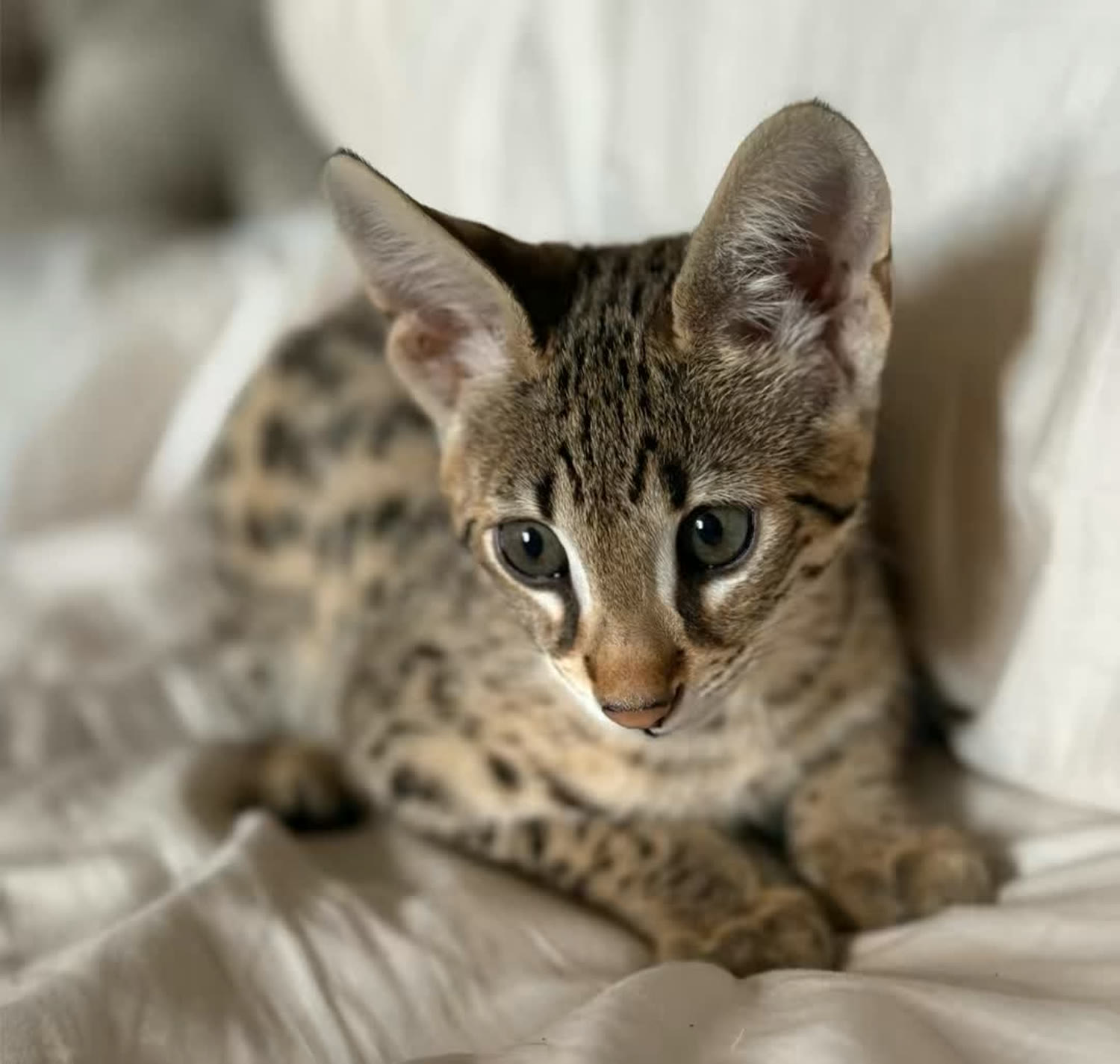
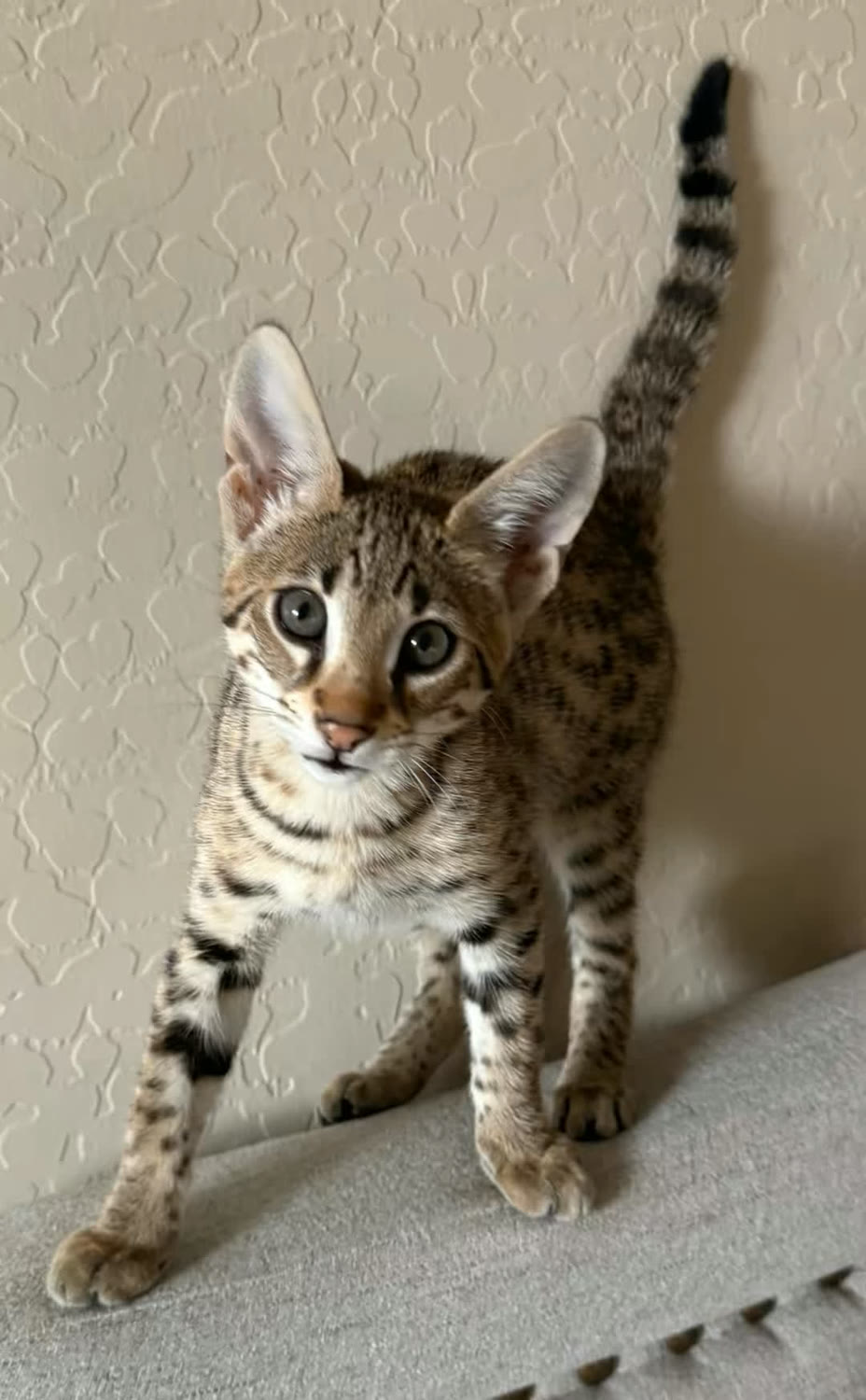
Descended from the African serval, the Savannah is a tall, striking cat with bold spotting, long elegant lines, and an unmistakably wild look, paired with the affectionate, curious, almost dog-like temperament that makes them extraordinary companions.
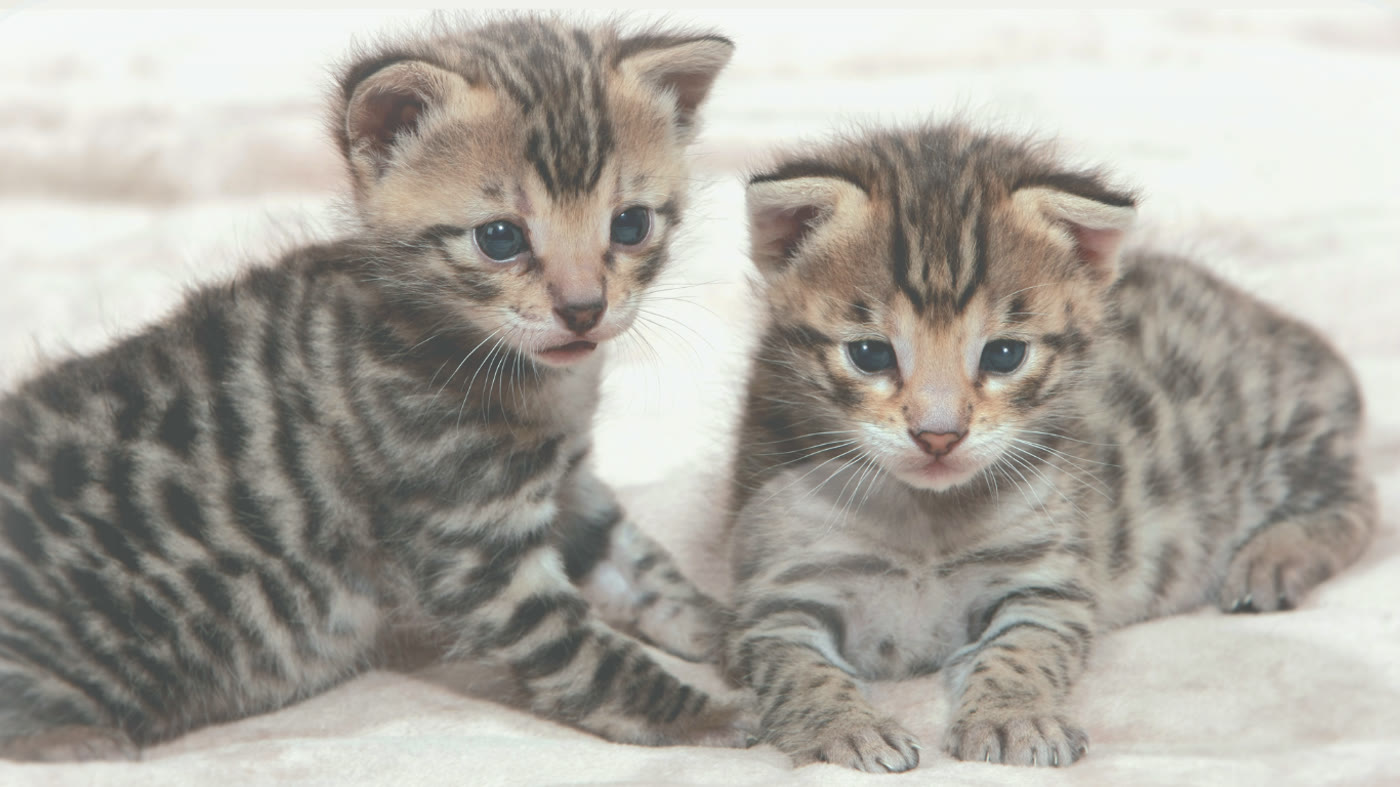
Generation (F1 to F6) marks how many steps a cat is from its serval ancestor. F1 cats are the largest and closest to the serval; each later generation is more domestic in size and temperament. We breed for the sweet spot, striking looks with confident, family-ready temperaments.
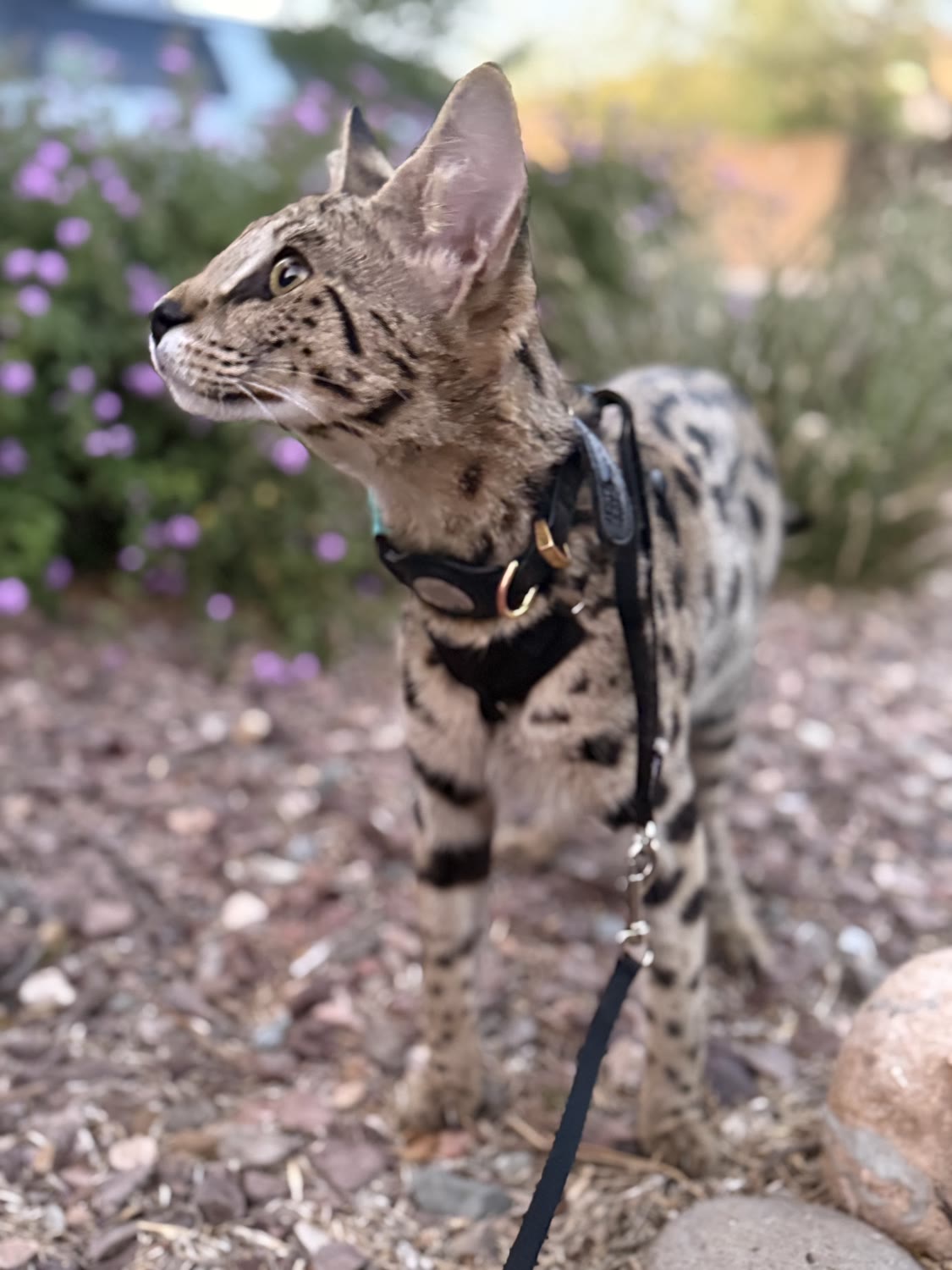
The Savannah is a striking domestic breed created by crossing a domestic cat with the African serval, a lean, large-eared wild cat of the sub-Saharan grasslands. The result is a tall, elegant, boldly spotted cat that keeps the serval's exotic looks while living happily as a family companion. Savannahs were recognized as a championship breed by TICA (The International Cat Association) in 2012, and they remain one of the most sought-after and misunderstood cats in the world.
At Sahara Savannahs, every kitten is raised in our home in Arizona, socialized early, and placed with a health-first program. This guide walks you through what actually matters before you bring one home: the generations, the temperament, how big they get, where they are legal, and the daily care they need to thrive.
The single most important thing to understand about Savannahs is the filial number, written as F1, F2, F3, and so on. It tells you how many generations removed a cat is from its serval ancestor. The lower the number, the closer to the wild serval, the larger and more exotic the cat, and the more restrictions on ownership.
A quick note on the math: the serval percentages above are the commonly cited averages. The real figure for any given kitten depends on the specific cats in its pedigree, which is exactly why a registered, transparent breeder matters.
Savannahs are tall and lean rather than heavy, which makes them look even bigger than they weigh. As a rough guide by generation:
Every cat is an individual, and size is influenced by lineage, sex, and generation. If a specific adult size matters to your home, tell us, and we will be honest about what a given kitten is likely to become.
People come for the look and stay for the personality. Savannahs are often described as dog-like: they follow you room to room, greet you at the door, play fetch, learn their names, and many will walk on a harness. They are highly intelligent, endlessly curious, and athletic enough to clear a refrigerator from a standstill. They tend to love water, so an open faucet or an unattended aquarium is fair game.
That intelligence is a gift and a responsibility. A bored Savannah will invent its own entertainment, usually at your expense. These are not cats that do well ignored. They thrive with a busy, engaged household, plenty of vertical space to climb, puzzle feeders, and ideally a feline or canine playmate. Our own cats play fetch, chase each other through the house, and bird-watch for hours.
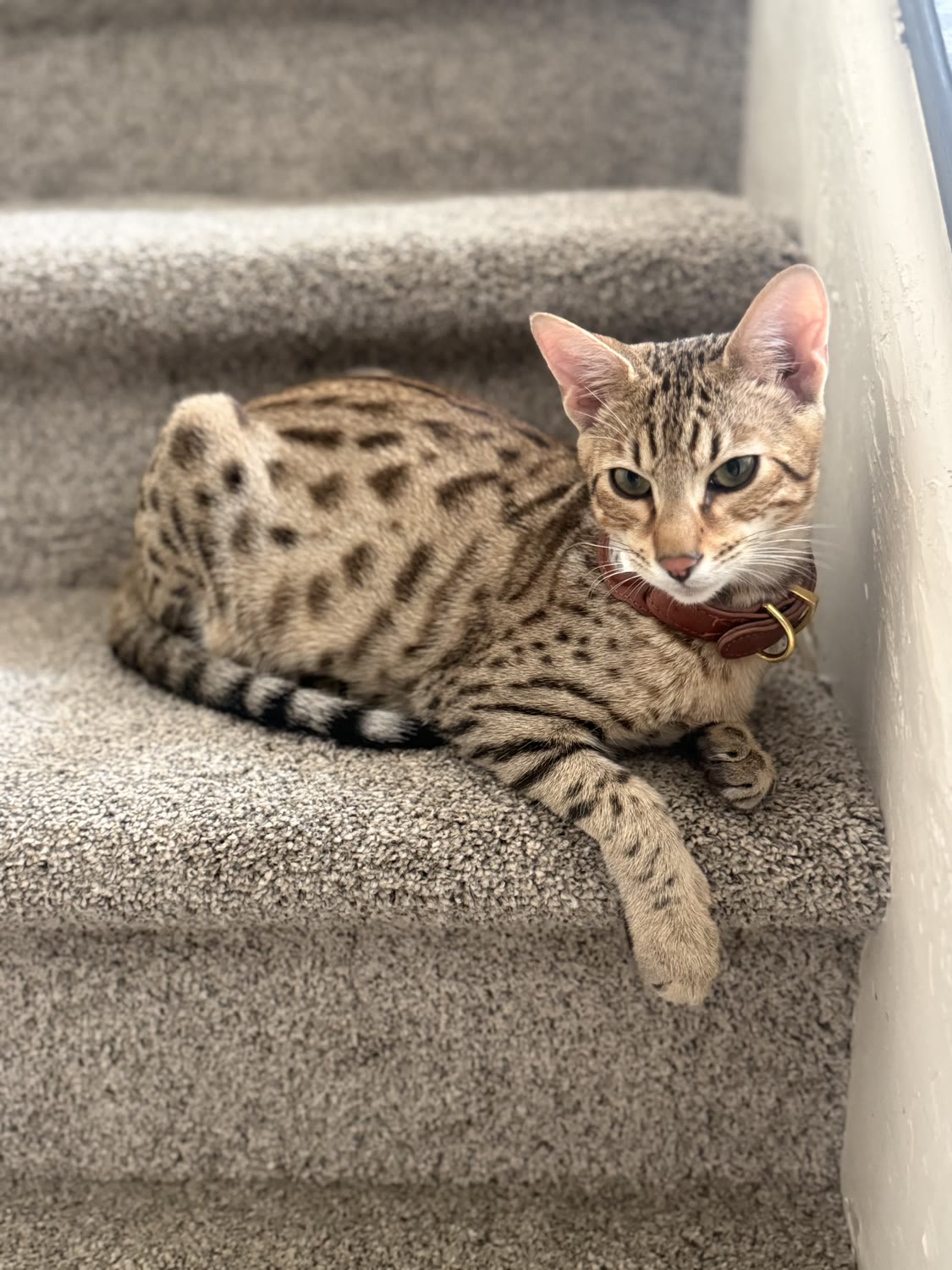
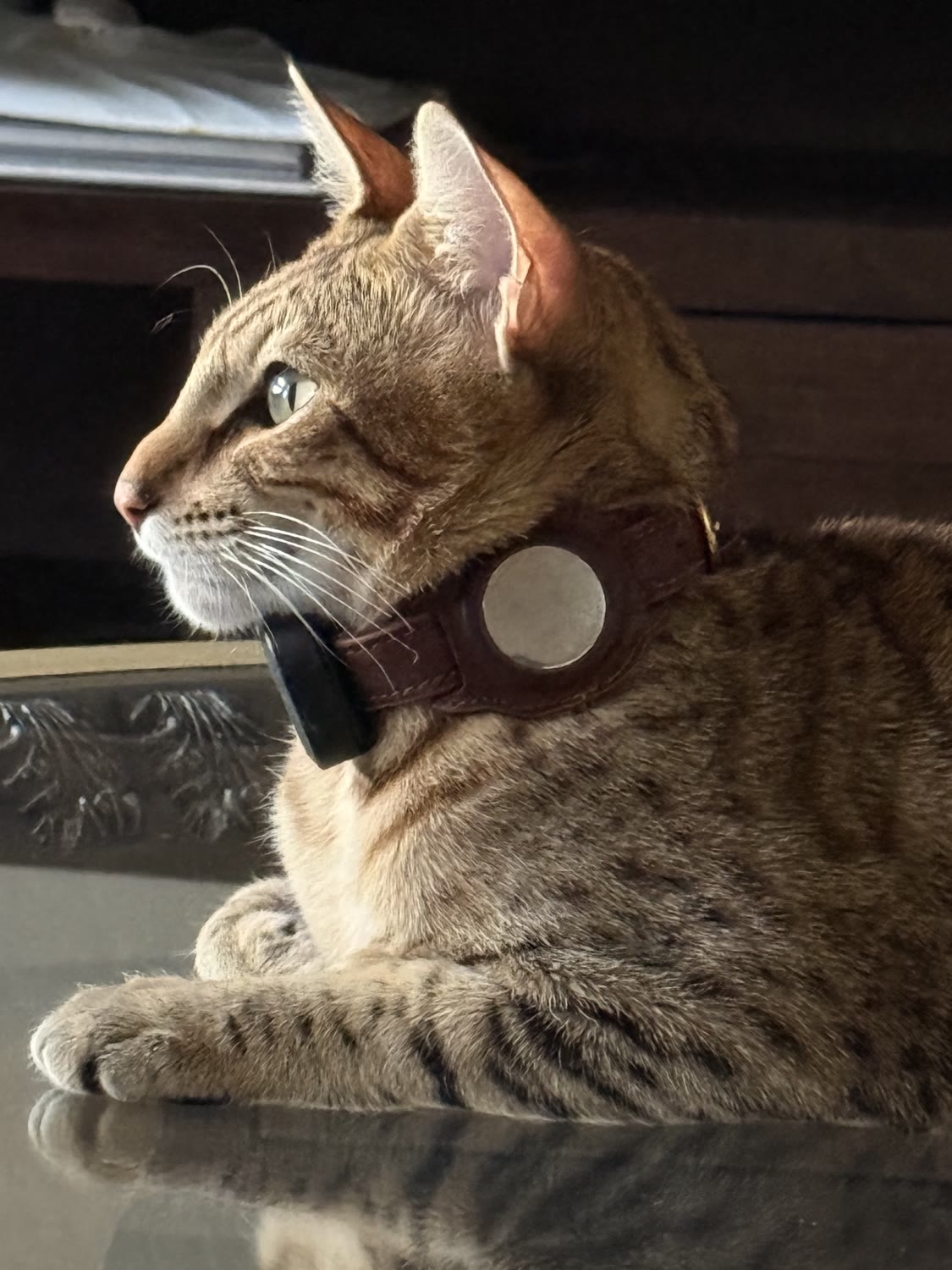
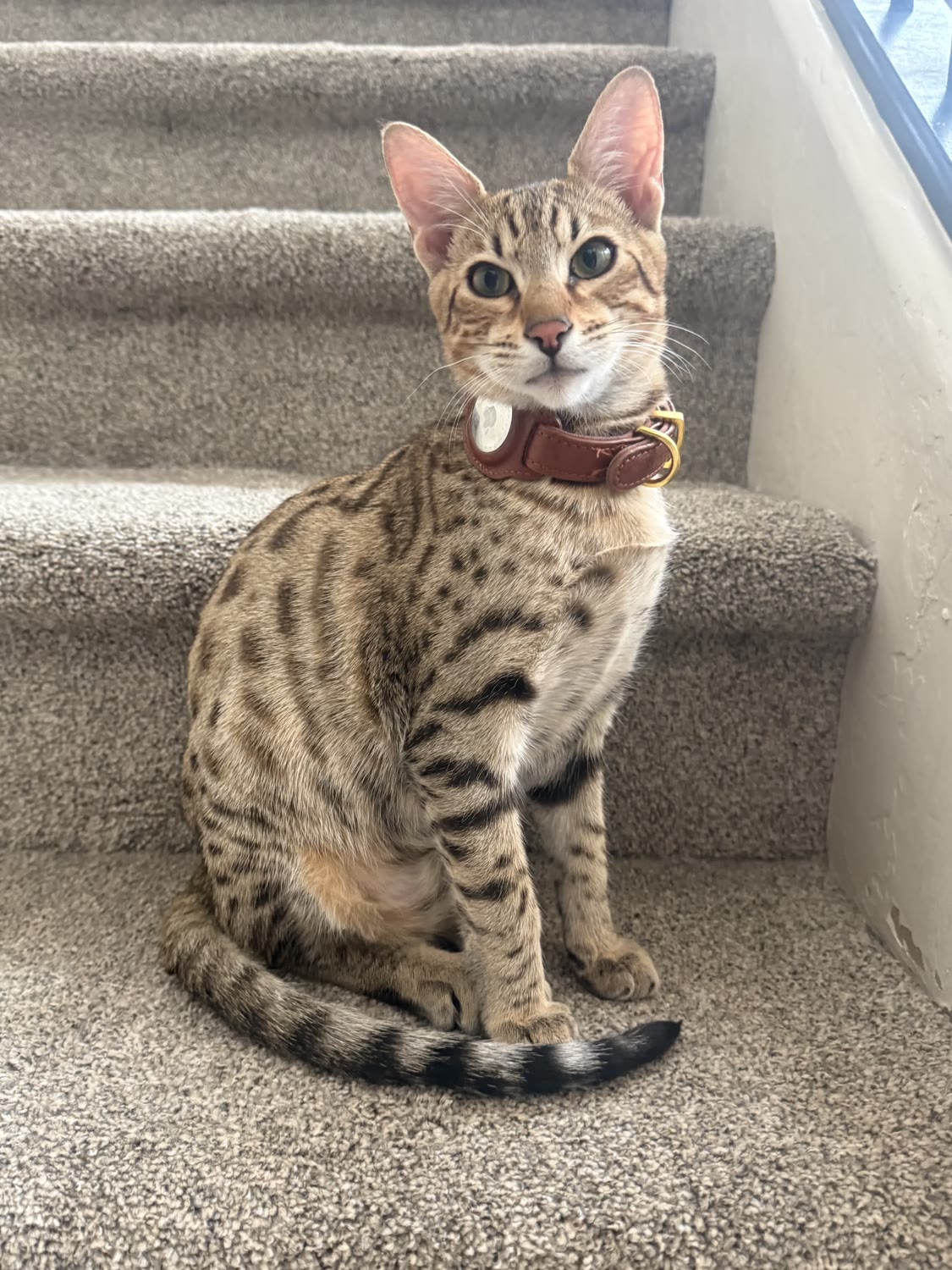
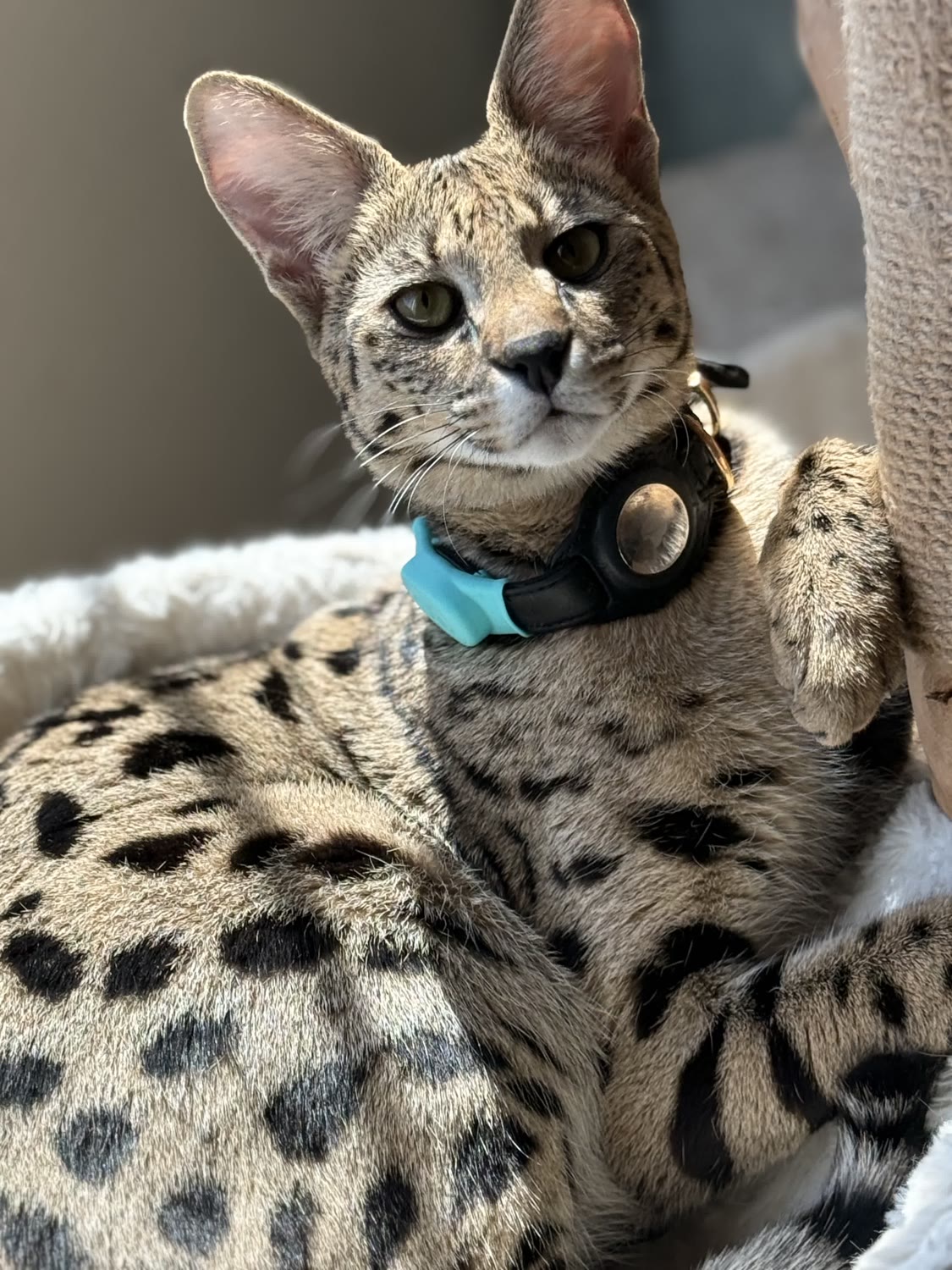
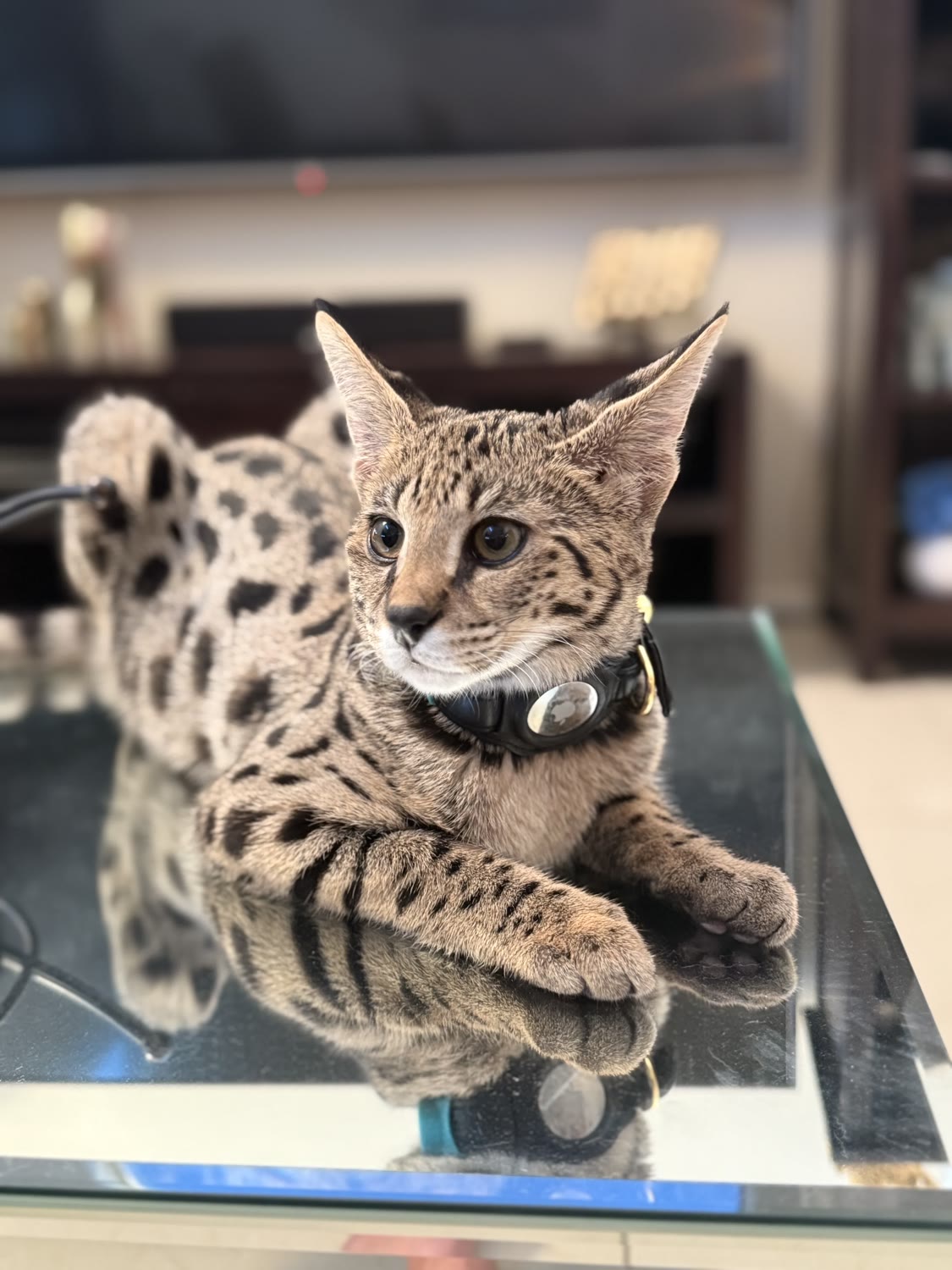
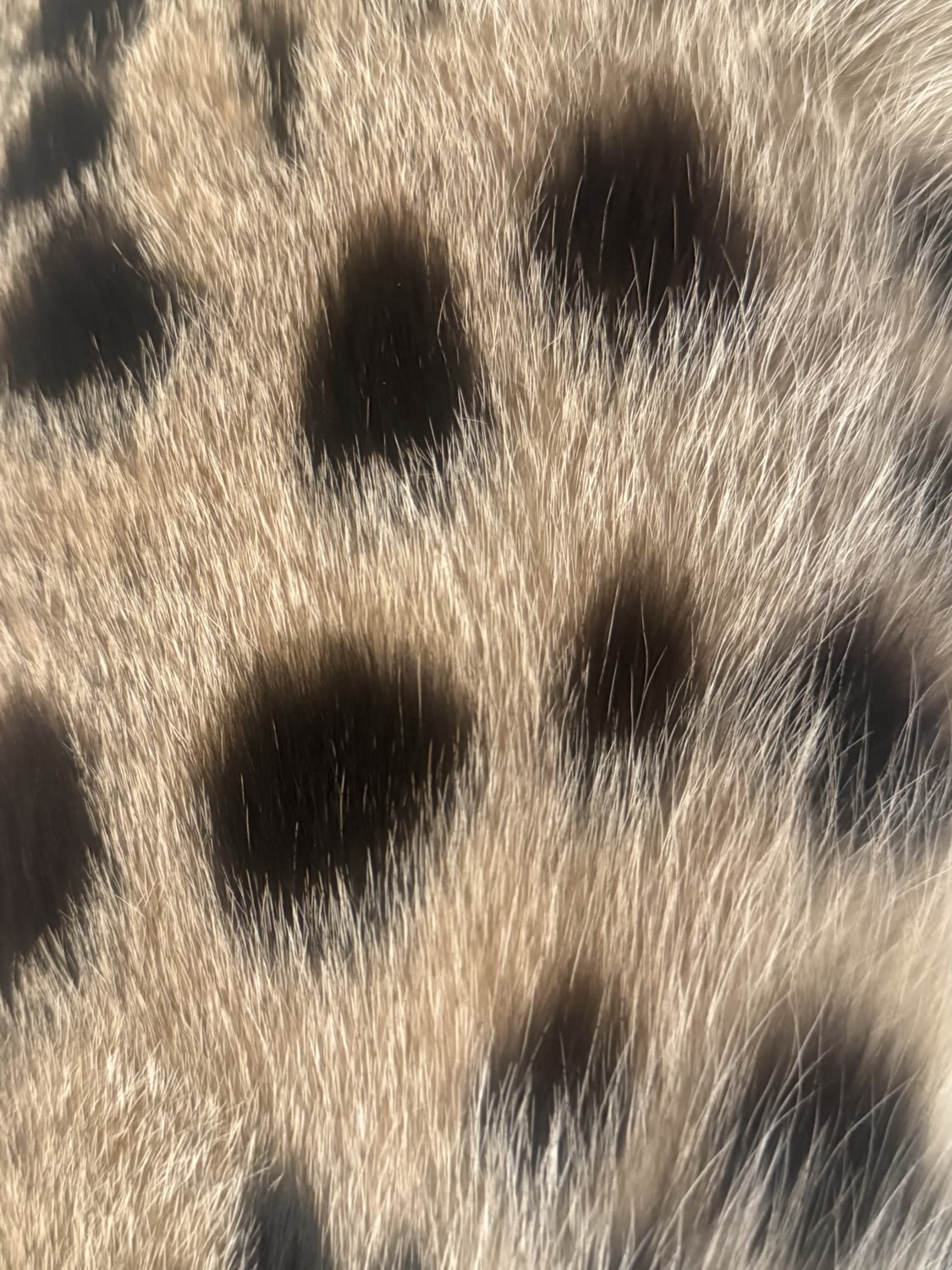
The classic Savannah wears bold, dark spots on a warm background that ranges from golden to silver, and shows the breed's signature tear-stain markings from the inner eye down the nose. Large, upright ears, a long neck, deep chest, and long legs give them an unmistakable, almost cheetah-like silhouette. The coat is short, dense, and famously soft.
Savannah legality depends on both the generation and your exact location, and it is the number one thing buyers overlook. Because we place F2 and F3 kittens, this section matters a great deal for our families. As of 2026:
Please confirm the law for your specific state and city before you reserve. We offer white-glove delivery for approved homes across the country where it is legal, and we will help you verify, but the final responsibility to confirm local law is yours. This information is a starting point and can change, so treat it as a prompt to check, not as legal advice.
Savannahs are sometimes described as a good fit for people with mild cat allergies, but no cat is truly hypoallergenic, and there is no scientific guarantee here. If allergies are a concern, spend time around the breed before you commit.
A Savannah is a brilliant, affectionate, high-energy companion for the right home: one that is engaged, playful, ready to provide space and stimulation, and prepared for a cat with real personality and real needs. For an active family that wants a loyal, interactive, unmistakably beautiful cat, few breeds compare.
If that sounds like your home, the next step is simple. Learn how we raise our kittens, review our terms, and join the waitlist. Litters are expected late fall 2026 to early 2027, and every placement we make is intentional.